Image

Age 6 - 11
Phonological awareness deficit is an inability to perceive and manipulate the sounds in the spoken word. Phonological awareness can be impacted by hearing difficulties, working memory difficulties but also an under-developed phonological processor and orthographic processor. Phonemic awareness, the ability to detect, identify, and manipulate phonemes in spoken words, is the most sophisticated level of phonological awareness. It can be a predictor of later reading achievement and phonemic awareness can develop as a result of learning to read.
Phonemic awareness develops when pupils are taught to hear and manipulate the sounds in words. If a pupil struggles orally blending sounds to form a word (/p/ /e/ /n/ = /pen/), then that pupil may not be able to read the word with automaticity when he / she sees it in print. Likewise, if a pupil cannot orally segment a word (/pen/ = /p//e//n/) then the pupil may struggle when attempting to spell the word if he/ she does not know what the word looks like. It is important to be aware that many pupils with literacy difficulties have working memory difficulties and cannot blend phonemes together. Diagnostic and standardised testing will enable the teacher to establish a starting point for the pupil and plan an approach to target a pupil’s specific needs. It is important to ensure that pupils have a secure knowledge of letter/sound correspondence and that he / she can read and spell cv / cvc words. If this knowledge is secure the pupil may need to continue to learn words with blend beginnings and blend endings, following a sequential, cumulative multi-sensory and phonics - based approach. This approach will enable pupils with working memory difficulties or co-occurring difficulties to begin to master phonological awareness and phonic knowledge. Some pupils may be able at this stage to segment and blend individual phonemes as they have already acquired orthographic awareness from print and have a developing knowledge of words in long-term memory but there are a significant minority of pupils who will continue to struggle to learn phonemic awareness beyond the consonant level and who will not be able to distinguish between the vowel sounds. Link to Assessment
| Impact on word recognition, spelling and writing | Recommendations for Reasonable Adjustments |
The pupil may have a difficulty with the sequencing of sound
He / she may have a difficulty with blending and segmenting sounds |
Teacher Guidance: Alphabet Arc Activities
Never assume learning is secure but plan intervention to target a pupil’s individual needs
|
| The pupil may have a difficulty hearing and distinguishing sounds within words |
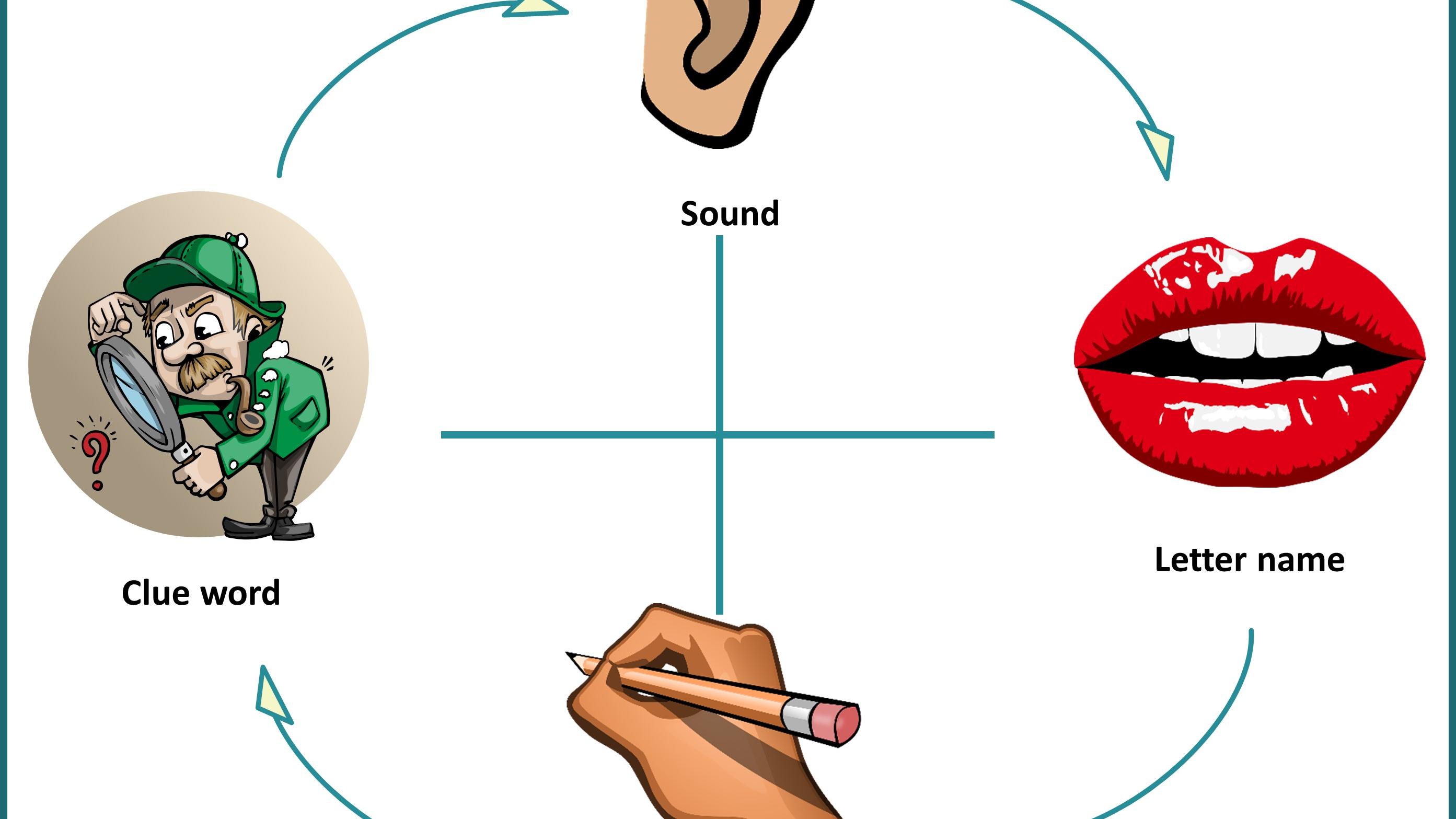
Use mirrors and photos of the mouth - focus on lip and tongue placement as well as sensations in the throat and with the air - “When you say the /h/ sound, what do you feel your breath do?”
Teacher Guidance: Advice for Teachers on Spelling Rules
|
| The pupil may have difficulty with isolating and manipulating phonemes |
Teacher Guidance: Procedure for Segmenting and Blending a Word |
| Some may also have a difficulty with identifying ‘rhymes’ |
|
| A pupil may have difficulty identifying the vowel sound |
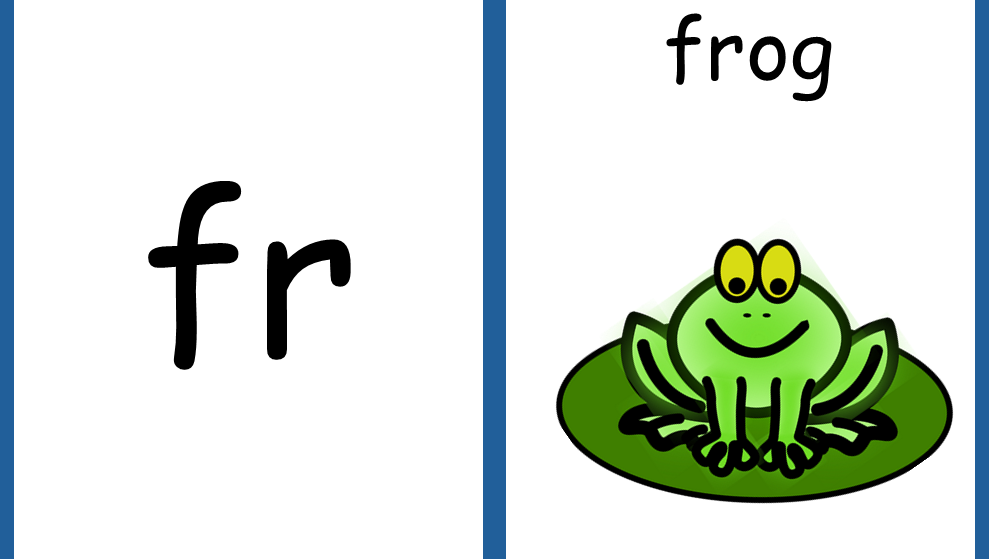
Teach the pupil how to blend and segment the sounds in common rimes: a rimes: ab, ad, ag, am, an, ap, at e rimes: eb, ed, eg, en, ep, et i rimes: ib, id, ig, im, in, ip, it o rimes: ob, od, og, om, on, op, ot u rimes: ub, ud, ug, um, un, up |
| The pupil may struggle to blend and segment simple CVC words |
Teacher Guidance: Beginning, Middle and End Procedure
|
| A pupil may be unable to identify syllables in a word |
Use assistive technology tools and applications to support any pupil with phonological awareness difficulties- provide opportunities for the pupil to hear the sound repeated. Immersive reader breaks a passage up into syllables |
Working memory difficulties make the blending of more than two phonemes beyond the capacity of 5-7-year-old pupils and can impact on the pupil’s ability to decode an unknown word. Phonics teaching at the (coarse grain), onset and rime level, facilitates the development of orthographic knowledge whilst supporting any working memory difficulties. The pupil can then blend and segment using this approach. Pupils learn to recognise on sight, orthographic patterns, that is clusters of letters representing clusters of phonemes.
| Impact on word recognition, spelling and writing | Recommendations for Reasonable Adjustments |
| A pupil may have difficulty retaining new learning |
|
| The pupil may confuse certain graphemes and the phoneme correspondence |
EA Guidance Video: Guided Discovery (auditory) (3:10 mins)
Computer games (linked to learning) increase pupil motivation and enjoyment Then and ask the pupil to say each letter name as he / she writes the word: |
The pupil may have difficulty holding several sounds in his / her short-term memory
The pupil may be unable to hold the individual phonemes in words in his / her working memory for long enough to blend them together |
|
| The pupil may have difficulty remembering the multiple mappings for phonemes |
|
| A pupil may find it difficult to recognise words that rhyme |
|
| The pupil may have difficulty with spelling and writing as the pupil struggles to remember the correct phonemes to use in a spelling |
|
Some pupils with literacy difficulties may find it difficult to hear the differences between similar sounding phonemes, such as “p” and “b” or “t” and “m” and “n”. They may also have difficulty identifying syllables in words and rhymes.
| Impact on word recognition, spelling and writing | Recommendations for Reasonable Adjustments |
The pupil may have difficulty isolating sounds in words
He / she may have difficulty following directions |
|
| The pupil may have difficulty discriminating between the short vowel sounds in the middle of words (for example. - ‘sit’ and ‘set’ |
|
| The pupil may have difficulty discriminating consonant sounds (for example, b and p, t and d, m and n) |
|
| He / she may have difficulty recognising rhymes |
|
| The pupil may be unable to detect syllables in a word |
|
| He / she may have a delay in vocabulary acquisition and overall communication skills |
|
Processing Speed refers to the ability to process information efficiently and accurately. Pupils with processing difficulties may struggle with aspects of phonic. Lack of automaticity when recalling sound information leads to slow laboured decoding and encoding of sounds when reading and spelling. It requires a lot of mental energy and may be stressful and exhausting for the pupil.
| Impact on word recognition, spelling and writing | Recommendations for Reasonable Adjustments |
The pupil may find it difficult to sustain attention and focus
The pupil may become easily distracted as he / she is overwhelmed by the amount of information given
Takes longer to process the spoken word- attention may be impacted |
|
Slow completion of tasks
Difficulty with timed activities |
|
Sounding out every phoneme
Slow decoding of words |
|
Inefficient access to stored information
Retrieval difficulties | Incorporate multisensory techniques to enhance understanding and aid retention |
Orthographic difficulties are difficulties recognising the pattern in the written word. It can impact on reading fluency as the pupil may be unable to automatically recognise words or units within words.
| Impact on word recognition, spelling and writing | Recommendations for Reasonable Adjustments |
The pupil may find it difficult to remember what a particular letter looks like, HFWs or topic words for a task
The pupil has difficulty in visual sequential memory as often information cannot be held in memory long enough to recall (once the visual has been removed)
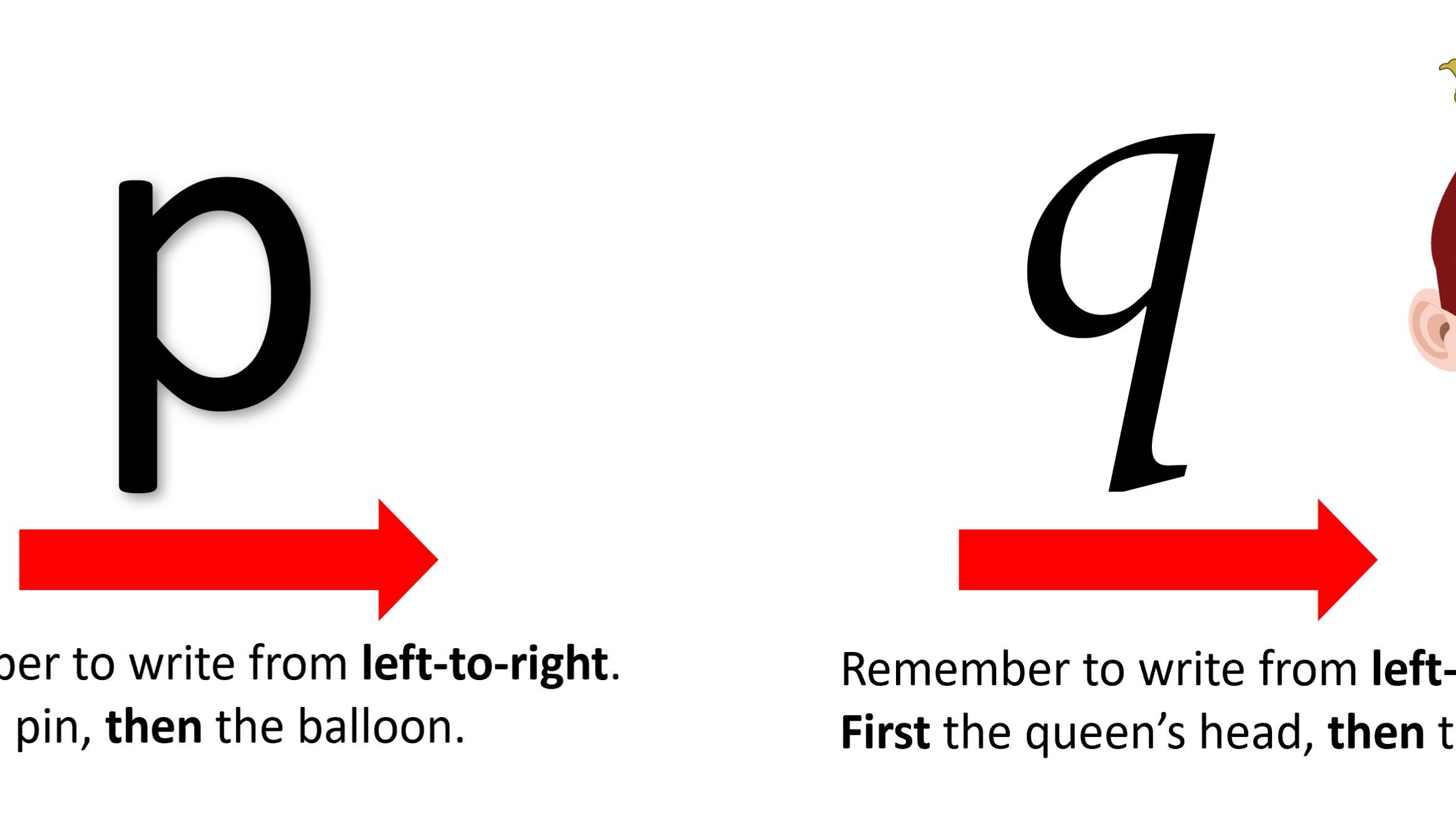
The pupil may confuse the letters, ‘b’, ‘d’, ‘p’, ‘’q’ |
EA Guidance Video: Visual Sequential Memory (2:20 mins)
Image
Image

|
| Unable to recognise and retain word patterns in memory |
|
Unable to segment and blend words into individual sounds, for example c-a-t
Unable to unitise sounds, for example put the letters c-a-t together and say the word “cat” |
If secure at cvc level progress to
|
The pupil may have difficulty recalling high frequency words (irregular spelling patterns)
He / she may have a difficulty selecting the correct phonemes in a word while spelling |
Literacy Service - Initial Contact Support Portal - If staff members do not already have access to the portal, please complete the staff details form linked below. Literacy Service: Initial Contact Support Portal - Staff Details Form
|
| The pupil may be limited in his / her writing skills due to working memory and orthographic processing difficulties |
Image
|
Morphology is how meaningful units are put together to form words, for example ‘ing’. It is important that pupils with literacy difficulties are explicitly taught about plurals, prefixes and suffixes. Etymology is the study of word origins and can be useful to help pupils remember why some words are spelt in a particular way.
The following professional learning modules may be helpful for additional information regarding the strategies recommended in this chapter. They are provided by the Literacy Service and are available through the ‘Children and Young People’s Services Professional Learning Programme’, which is hosted on the EA website. The access code to the courses is updated each year and shared with your Principal in September.
Kelly, K. & Phillips, S. Teaching Literacy to Learners with Dyslexia- A Multisensory Approach (2022) Sage
Lavan, G. & Talcott, J. B (2021). Brook’s what works for literacy difficulties? https://www.theschoolpsychologyservice.com/wpcontent/uploads/2020/11/The-CSP-6th-Ed.pdf
McMurray, S. (2020). ‘Learning to spell for children 5-8 years of age: the importance of an integrated approach to ensure the development of phonic, orthographic and morphemic knowledge at compatible levels’. Dyslexia, 26:4, 442-458 https://doi.org/10.1002/dys.1663
McMurray, S (2022) ‘Why systematic synthetic phonics (SSP) alone cannot meet the needs of all children’. The Dyslexia Handbook 2022, 124-126 Reading: England. BDA
Squires, K. E. and Wolter, J. A. (2016) ‘The Effects of Orthographic Pattern Intervention on Spelling Performance of Students with Reading Disabilities: A Best Evidence Synthesis’. Remedial and Special Education, 37(6), pp. 357-369.
Wolter, J. A., & Dilworth, V. (2013). The effects of a multilinguistic morphological awareness approach for improving language and literacy. Journal of Learning Disabilities, 47(1), 76–85