Image

This chapter focuses on the area of Reading and highlights the significance of environmental factors and the cognitive processing difficulties experienced by a significant minority of pupils. In order to fully understand the importance of Reading, in the development of a pupil/ young person, it is beneficial to read the full introduction, before selecting the sector which is most relevant. Pupils may be at various stages on a continuum of development therefore it is important to consider strategies and approaches across the sectors.
Reading is about enjoyment, stimulation of the pupil’s imagination and learning the necessary skills required to read with fluency. The central purpose of reading is extracting meaning from the printed page and this involves understanding vocabulary and sentence structure. Reading provides each pupil with opportunities to discuss interests, knowledge of life experiences and develop both receptive and expressive skills. Listening to stories, rhymes and poems exposes a pupil to new vocabulary and helps to extend awareness of how language works. The ability to read words quickly and accurately is critical to fluency and skilful reading comprehension.
A pupil learns to read within his / her own particular circumstances. A pupil’s learning may be either impacted by underperforming cognitive processors or he / she may have experience of environmental factors which impact on the learning process:
Therefore, a one-size fits all approach will not work for a significant minority of pupils, and pupils in this group may require an individualised approach to meet their needs. This can only be achieved by careful observation and assessment of an individual pupil to determine what aspect of reading the pupil finds must difficult:
The process of reading is complex; the pupil must read the words, retrieve word meaning, put the words together to form meaningful units and determine what the text is about. The pupil’s success will depend on knowledge of the alphabetic code, sight word reading ability / vocabulary, orthographic knowledge, semantic and syntactic processing and understanding of context / comprehension of text.
Contextual knowledge draws on a pupil’s prior experience, for example, if the pupil comes across a word like, “balloon” the context will help the pupil to identify the word aided by his / her experience of parties. The context of a sentence will help in the correct reading of words like, ‘read’ as in ‘I can read’ or ‘I have read’ or “bow” as in ‘the bow of a ship’ or ‘the bow on a dress’. In different contexts these words are pronounced differently to depict the different meaning. The goal is to engage the pupil in reading whilst teaching the skills and strategies which can then be used independently, flexibly and interactively. Flexibility is required due to the irregular orthographic nature of the English language.
The Executive Function (EF) network supports the coordination of the various processes involved in reading and active self-regulation is key to successful reading.
The pupil must use all cognitive resources effectively whilst controlling environmental influences.
In a beginning reading programme the aim should be to develop all the sub-skills simultaneously, ensuring the skills are interconnected to aid efficient memory storage and retrieval. Automaticity gained through learning to spell enhances reading fluency.
| Process involved in skilled reading | Pupil skills required | Executive function involved |
|---|---|---|
| Vocabulary development through oral and written language | Learning the meaning of words | Working memory - able to recall and recognise familiar words |
| Orthographic knowledge - the written system of spelling patterns and correspondence between speech and sound | Visual attention to words, for example, onset and rime - c- at, f- at, r - ack, tr - ack, letter strings – morphemes, ‘ed’ ‘ing’ Syllables - car / pet Word learning - sight words at whole word level – ‘are’, and ‘at’ | Attentional control |
| Phonological awareness - the sequencing and distribution of speech sounds in word | Awareness of letter / sound knowledge - alphabetic knowledge, onset and rime, syllable, whole word | Working memory - to be able to recall letter / sound knowledge and decode words |
| Syntactic awareness - the rule system that governs how words are combined into phrase, clauses and sentences | Understand the structure of a sentence | Inhibitory control - suppress distracting information |
| Semantic knowledge -the meaning of words, phrases and sentences | Title of the book, the illustrations, content, difficult words or characters names | Cognitive flexibility - to explore meanings of words which may help in the decoding of a word |
| Morphological awareness - the smallest meaningful units from which words are created | Understand the structure of words - what sounds right Root words and affixes ‘s’ Present / past / continual tense, ‘ed’ and ‘ing’ | Use of reading strategies -looking at word endings / word changes to decode words accurately |
| Concepts of Print - the understanding that print carries meaning and that books contain letters and words | Print has meaning Read from left to right Directionality, return sweep Explore various parts of the book Print can have different purposes | Able to recall directionality / return sweep |
| Comprehension - the ability to understand what has been read | Through shared, modelled, guided texts pupils are taught to link to prior learning, ask questions, develop prediction skills, scan for information -clarify,summarise main points and engage with text. Model constructive engagement with the text, “I think he is going to get a puppy for his birthday. What do you think?” | The pupil must build and maintain a model of the text meaning while decoding the words
Application of strategies to help direct the pupil towards the goal of understanding the text |
| Fluency - the ability to read with speed, accuracy and expression | Learn the role of punctuation and what fluent reading sounds like Read with understanding | Executive Functions working effectively |
The approach to teaching reading has been influenced over the last thirty years by the whole-language approach where the pupil uses the context and structure to guess words and more recently the systematic synthetic phonics approach which focuses on teaching sounds at grapheme-to phoneme level (the alphabetic code). Recent research has identified weaknesses in teaching the alphabetic code only because of the orthographic processing difficulties due to multiple mappings between phonemes and graphemes. It is important to be aware of the full range of strategies and skills that a pupil requires to read with fluency and understanding. Research has identified that orthographic difficulties are as great as phonological and rapid naming difficulties, therefore reading interventions need to acknowledge this and phonological, orthographic and morphemic knowledge should be introduced as early as possible in a beginning reading programme alongside a spelling programme which also integrates each of these processes.
The Simple View of Reading (SVR): Fluent Word Reading combined with Language Comprehension, leads to Reading Comprehension. The SVR is useful in identifying different reading profiles but is not a model of reading development.
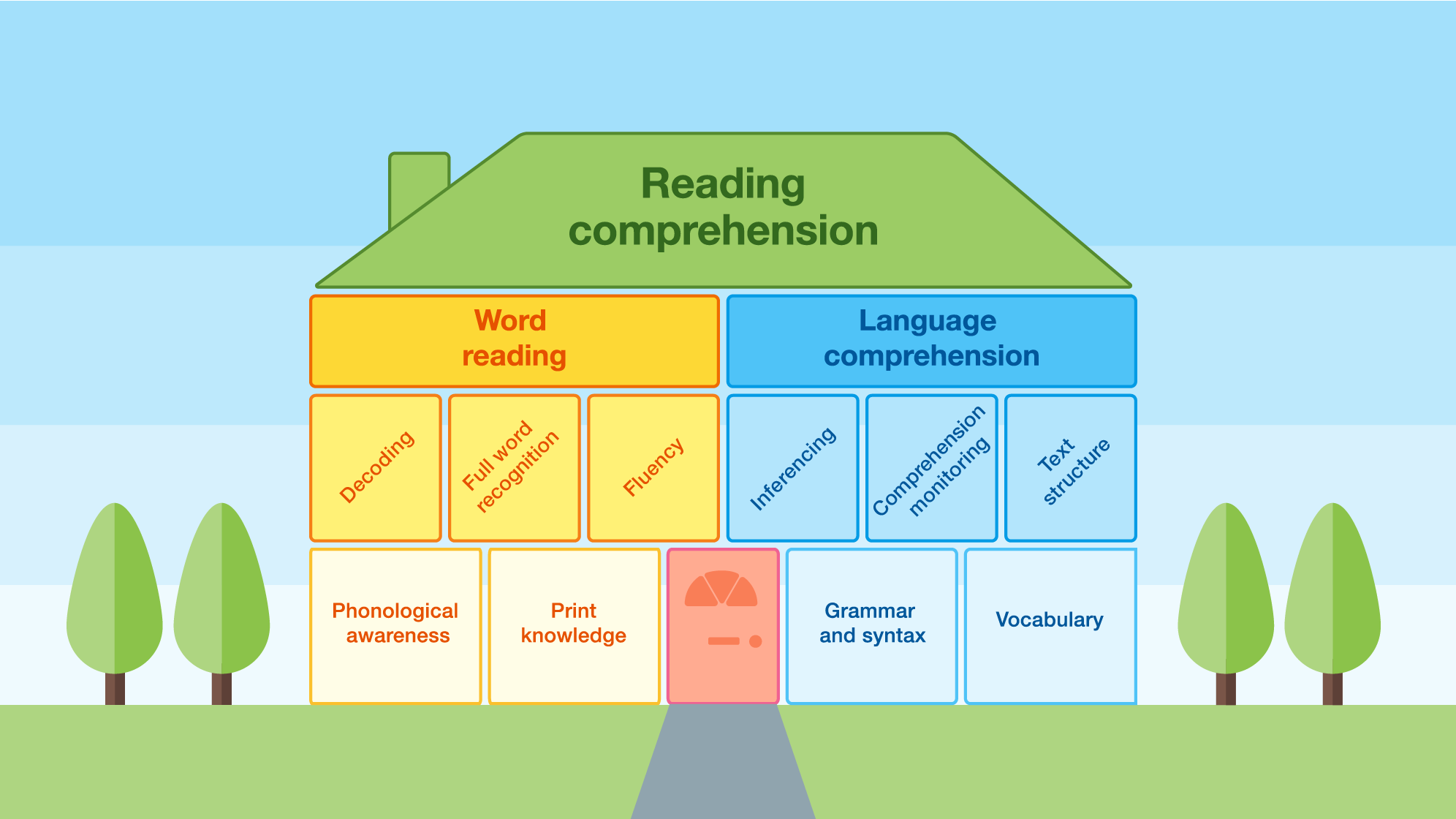
Reading is a complex activity and the Reading Comprehension House provides a more detailed breakdown of the components, illustrating that word reading and language comprehension are underpinned by several other building blocks. These component parts build on one another and connect together as pupils learn to read:
Print Knowledge (recognising parts of books and left-right directionality of print)
Figure 9: Reading Comprehension House - the sum of many parts - Adapted from Hogan, Bridges, Justice and Cain (2011)
Recent research since the ‘Simple View of Reading (SVR)’ has demonstrated that there are many other contributing components to reading which are not named in the SVR. The Active View of Reading Model illustrates the importance active, self-regulatory processes, at play in reading and demonstrates that there are important bridging processes between the development of language comprehension and word recognition:
It points to causes of reading difficulties within and beyond word recognition and comprehension. Reading difficulties may be:
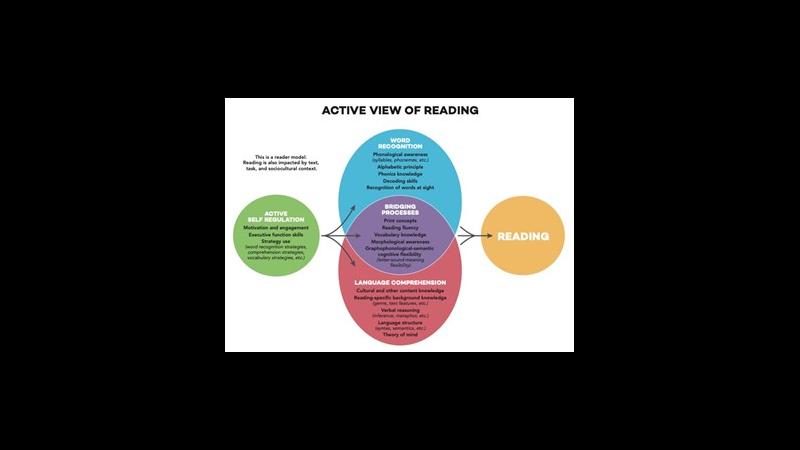
Figure 10: The Active View of Reading Model - Adapted by Duke and Cartwright, (2021)
In the Simultaneous, interconnected processing and memory capacity model of reading development, attention is drawn to the complexity of a deep orthography such as English. The model places an importance on drawing on the full range of sources of knowledge (morphemic, orthographic, phonic, semantic and syntactic) which are necessary for reading. This model of reading development focuses on the pupils who have limited implicit learning capabilities as a result of working memory and orthographic processing difficulties. The model indicates that an over-reliance on phonemic knowledge, can only result in other sources of knowledge and larger units of sounds, which aid memory and retrieval, not being developed and there is limited interconnected learning. The brain does not engage in a subconscious decision-making process and is limited to utilising one strategy only when attempting to read unknown words.
As a pupil progresses through Key Stage 1 and into Key Stage 2 an increasing level of independent reading is required to access the curriculum, as the focus shifts from ‘learning to read’ to ‘reading to learn’. If a pupil struggles to read at the level of his / her peers, learning opportunities can become limited. In addition, insufficient access to text can result in a widening gap due to a lack of opportunity to develop skills in language, comprehension, and cognition. Lack of reading practice can therefore contribute to poor oral vocabulary, as the pupil is not encountering new words through reading.
The ability to read at a proficient level is a fundamental skill which allows a pupil to have full access to the curriculum at any stage. Pupils who struggle with reading are at an immediate disadvantage when it comes to academic attainment. At post primary level, to cope with the literacy demands of the various post primary subjects, pupils must be able to read fluently and accurately whilst at the same time understanding the content of the material / vocabulary and be able to hold the information gained in memory, while presenting or discussing. Pupils need to become strategic readers:
An emphasis should be promoted on a ‘top-down, bottom-up’ and ‘balanced’ approach to literacy development at whole school level and systems level as well as individual pupil level. An interactive, balanced approach should aim to develop all the knowledge sources interconnected and working together to ensure the working memory is well supported in pupil’s with literacy difficulties. Pupils need to be taught to be effective and independent problem-solvers and this can be modelled by teachers verbalising the problem-solving approach.
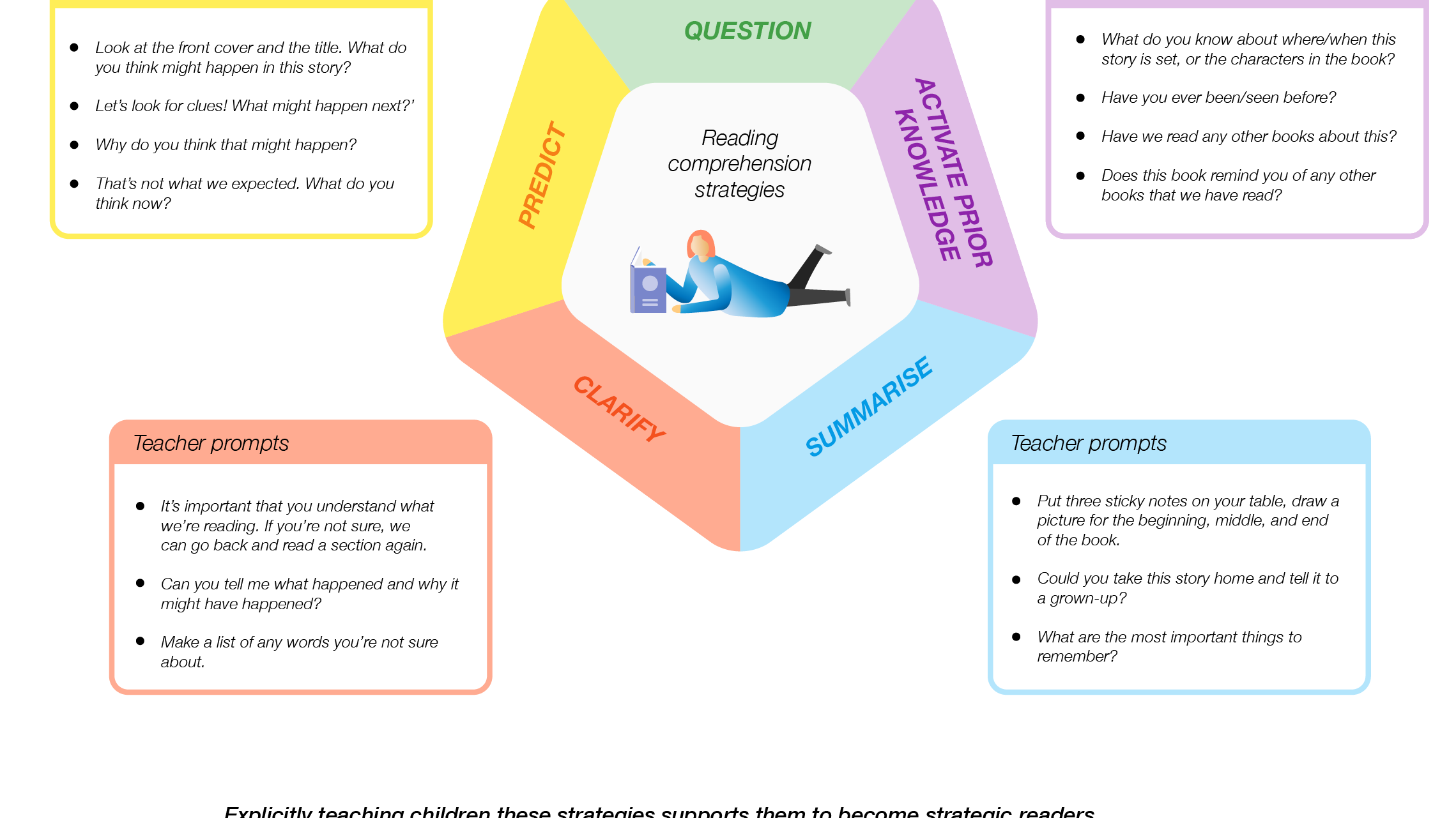
Figure 11: Reading comprehension with prompts to support practice
Below are some suggestions for teachers to support pupils with specific learning difficulties who find reading difficult. Clicking on the tiles below will bring you to your area of interest. However, it is worth noting that you may find it helpful to refer to all sections.